3 secrets we’ve learned about the perfect Pastel de Nata
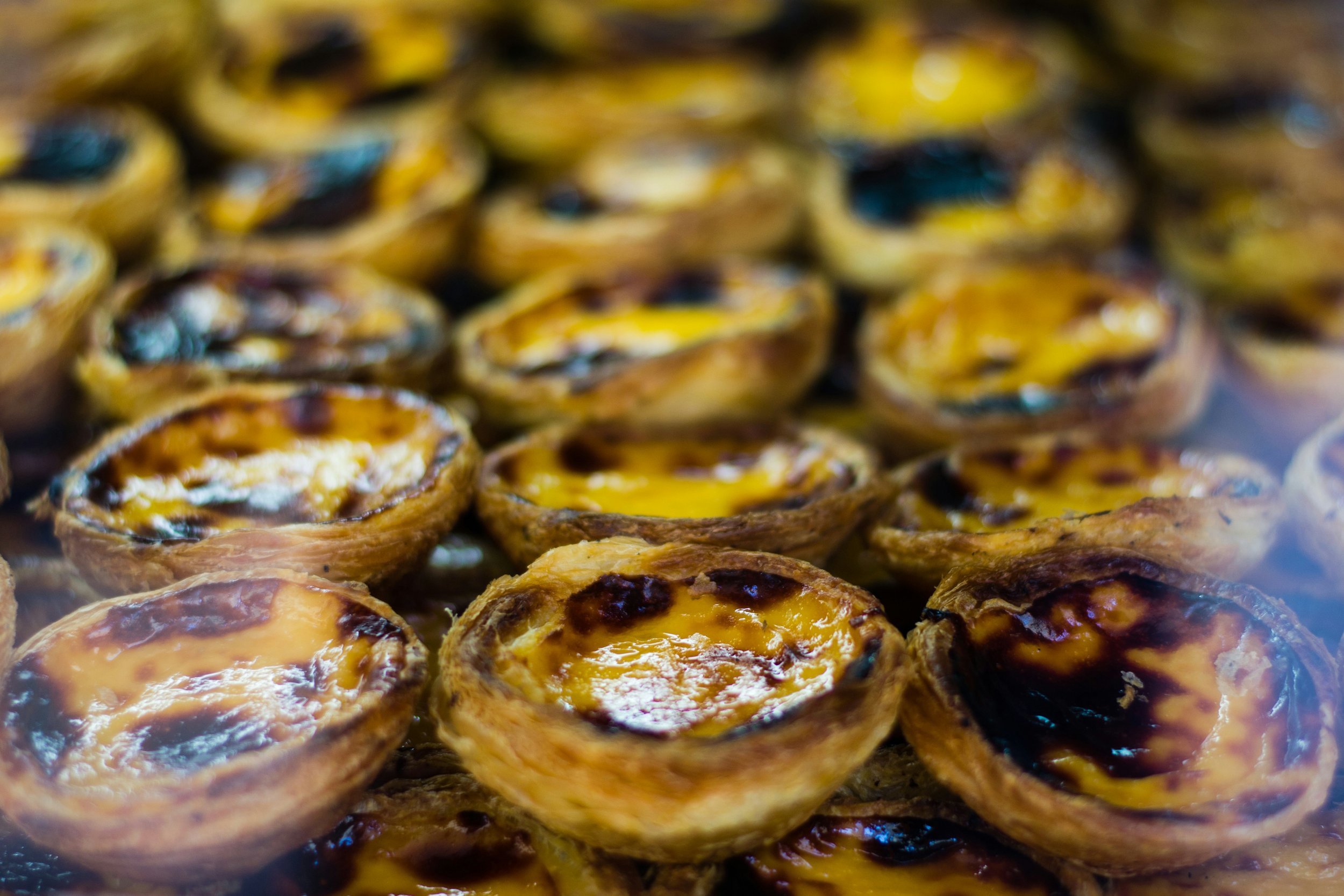
Few things capture the simple joy of Portuguese food quite like a warm Pastel de Nata.
Over the years we’ve spent travelling through Portugal, meeting bakers, producers and chefs, there are certain things you begin to notice. One of them is just how seriously the Portuguese take their custard tarts.
These iconic pastries were first made by monks at the Jerónimos Monastery in Belém, who used leftover egg yolks from the convent kitchens to create the tarts that would become a national treasure. Today Pastéis de Nata are found in bakeries across the country, but the truly great ones always seem to follow the same unwritten rules.
Here are three things we’ve learned along the way.
1. It's all about the pastry!
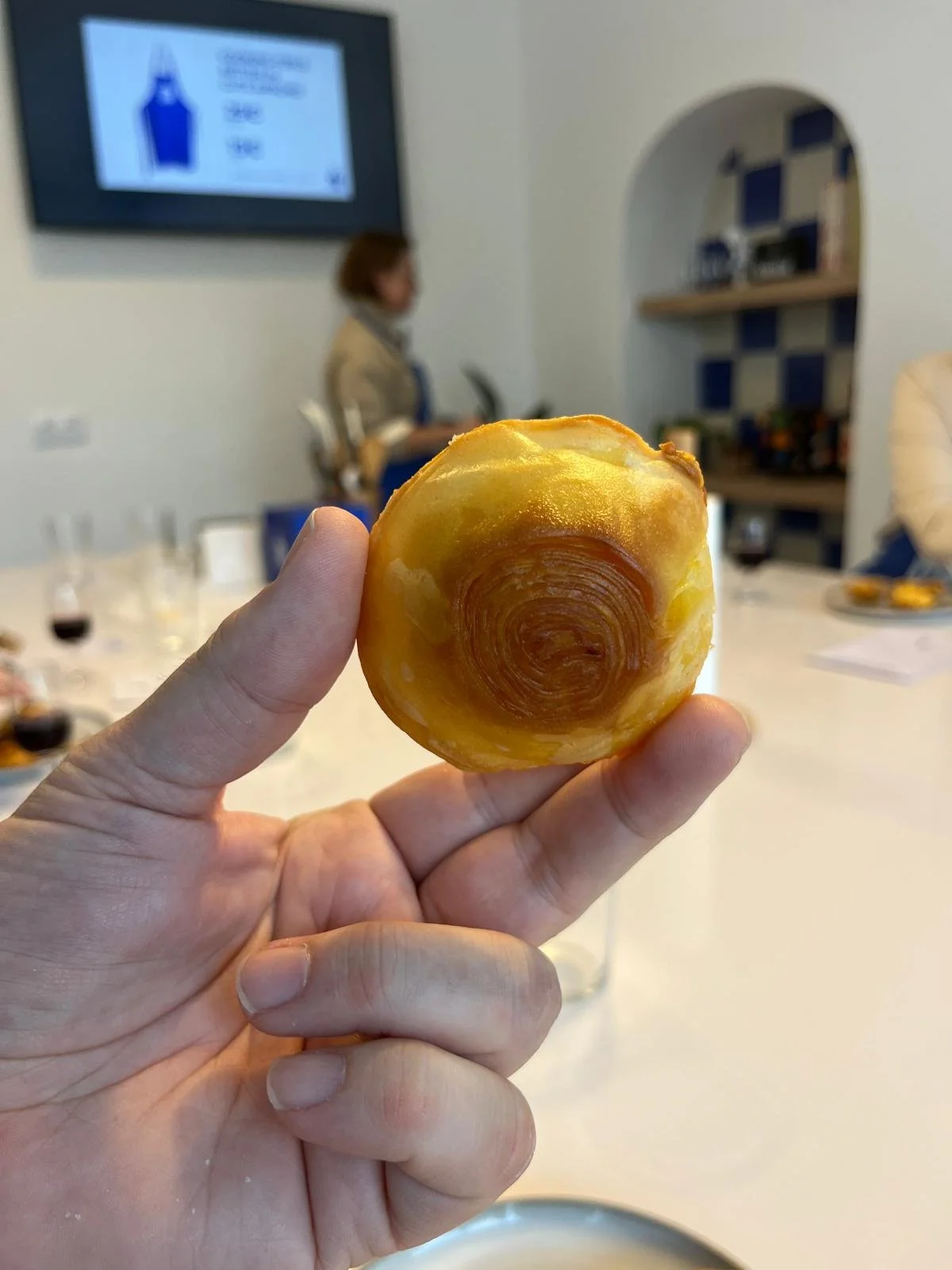
Turn a Pastel de Nata over and look closely at the base. You’ll see a distinctive spiral pattern — the sign of beautifully laminated pastry.
Creating that delicate layering takes patience and skill. The dough must be rolled, folded and shaped with care to achieve the right balance of crispness and lightness. Bakers will tell you the same thing every time: there are no shortcuts. If the pastry is rushed, you’ll taste it.
When it’s done properly, the result is a wonderfully flaky shell that shatters slightly when you bite into it.
2 . The oven must be fiercely hot
A proper Pastel de Nata needs serious heat.
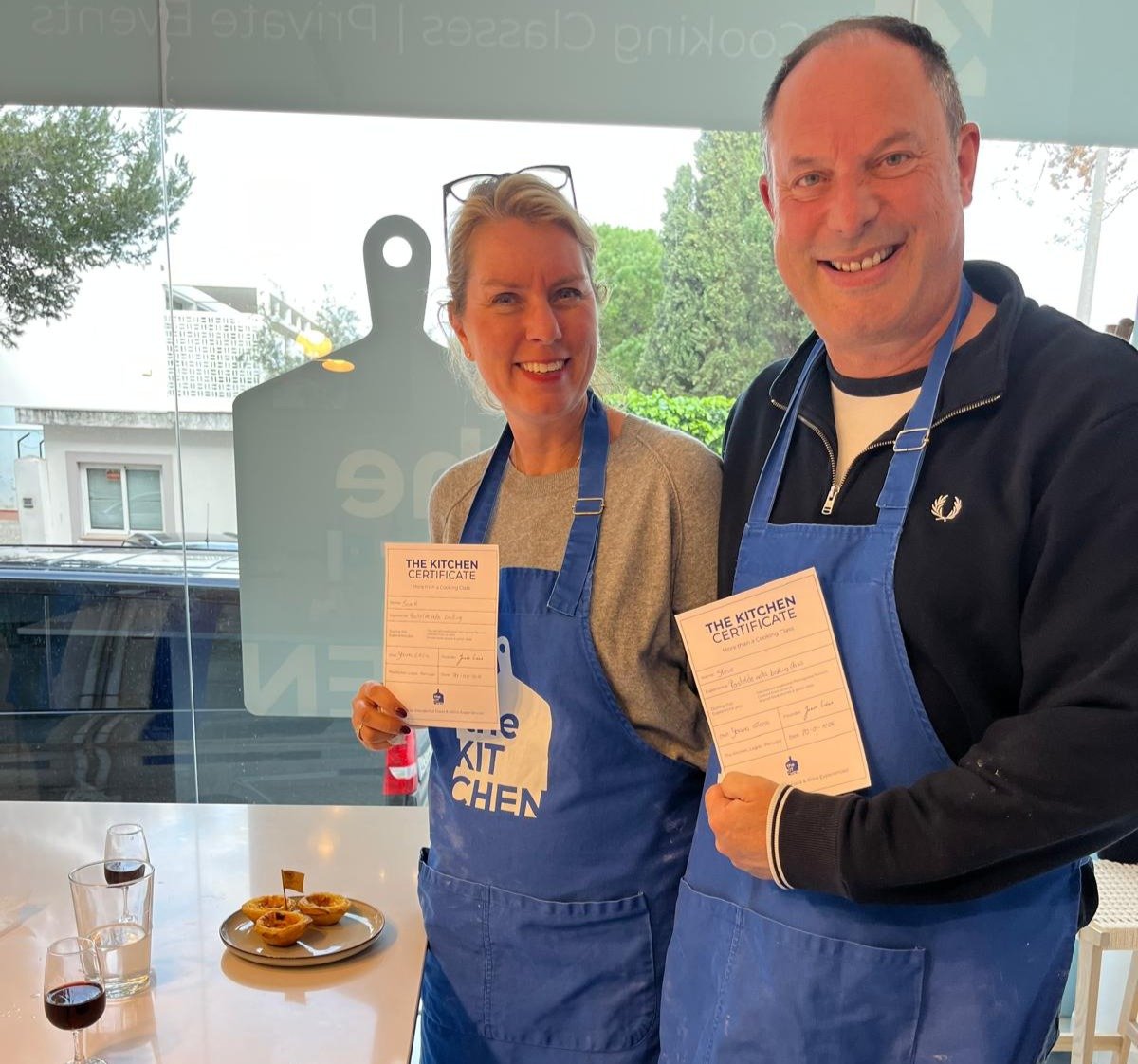
Traditional bakeries bake them at extremely high temperatures so the pastry crisps quickly while the custard sets and caramelises on top. Those little dark spots on the custard aren’t mistakes, they’re part of what makes a great tart.
The best way to enjoy them? Slightly warm, just out of the oven. Most locals won’t wait long before devouring them.
3. Port is the perfect partner
Many visitors assume coffee is the natural companion to a Pastel de Nata. While that’s certainly common, we’ve discovered there’s a better pairing.
A small glass of tawny port works beautifully with the pastry. The notes of dried fruit, caramel and vanilla echo the sweetness of the custard and bring the whole experience together in a way coffee simply can’t.
It’s a simple pleasure, but a memorable one.
Experience it for yourself
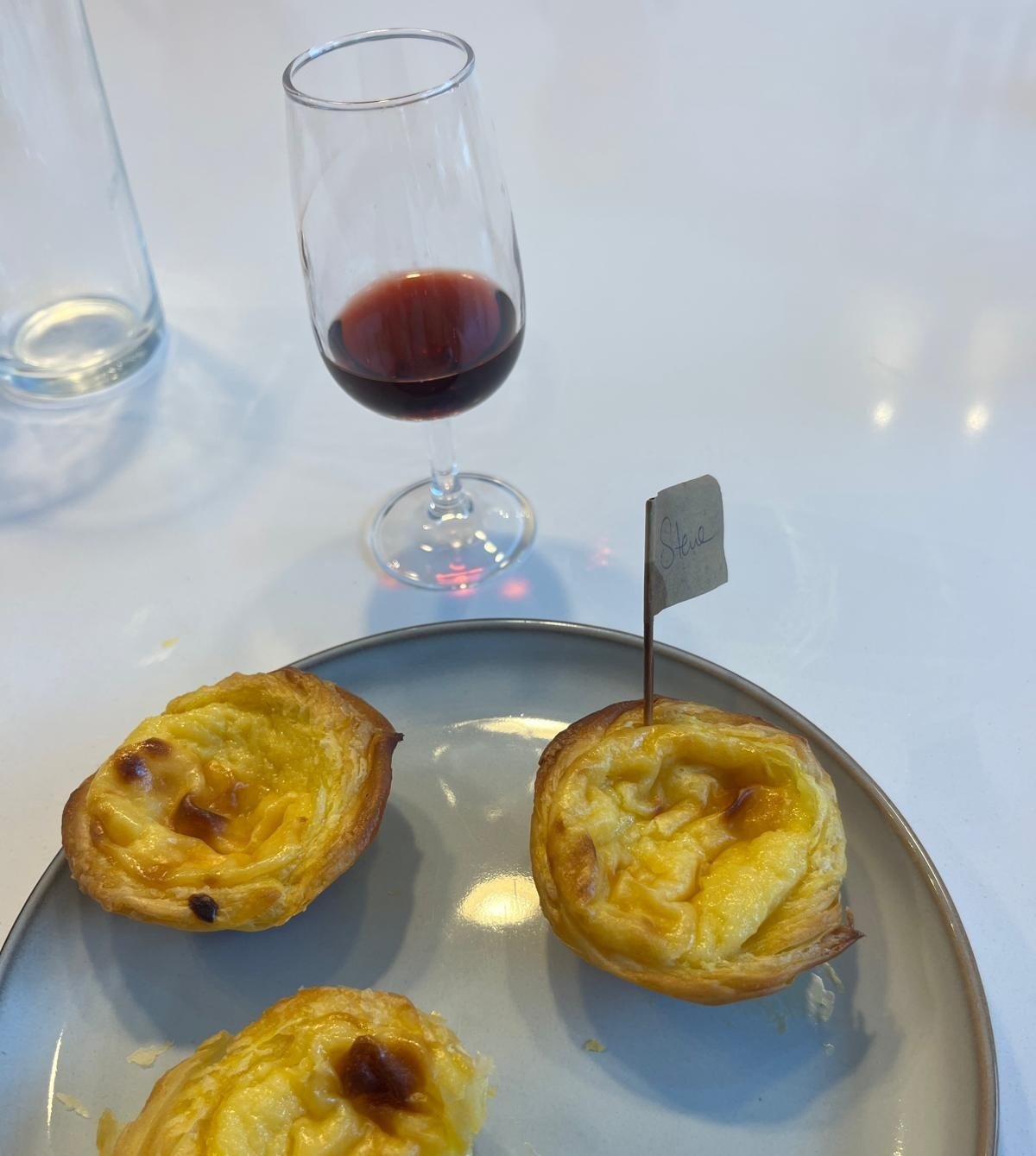
On the second day of our Eat Portugal food journey in Lagos, we spend time with a master baker learning the craft of making Pastéis de Nata from scratch.
From rolling the delicate pastry to baking them until golden and caramelised, it’s a wonderful way to understand the care and craft behind Portugal’s most beloved pastry.
And of course, the best part comes at the end — enjoying them warm from the oven.